Combined Cycle Power Plant Consulting & Optimization
A combined cycle plant is already one of the most efficient ways to turn natural gas into electricity — but “efficient” and “optimized” are not the same thing. Fouled compressors, drifting heat rate, under-performing cooling, and inflexible operating profiles quietly erode margin every hour a unit runs. Effective combined cycle power plant consulting is about finding those losses and closing them with changes that pay back in fuel, capacity, and availability. Below are the optimization strategies that consistently deliver results.
Why Combined Cycle Optimization Matters
On a large gas-fired plant, fuel is by far the biggest operating cost, so even small efficiency gains compound into real money. Efficiency and heat rate are two sides of the same coin: net plant heat rate in Btu/kWh is simply 3,412 divided by efficiency. A unit running at 6,500 Btu/kWh is about 52.5% efficient; trimming that to 6,000 Btu/kWh lifts it to roughly 57%. Multiply a few hundred Btu/kWh across thousands of operating hours and hundreds of megawatts, and the savings are substantial. Optimization is one of the most direct ways to reduce operational costs without new capital plant.
How a Combined Cycle Plant Works (In Brief)
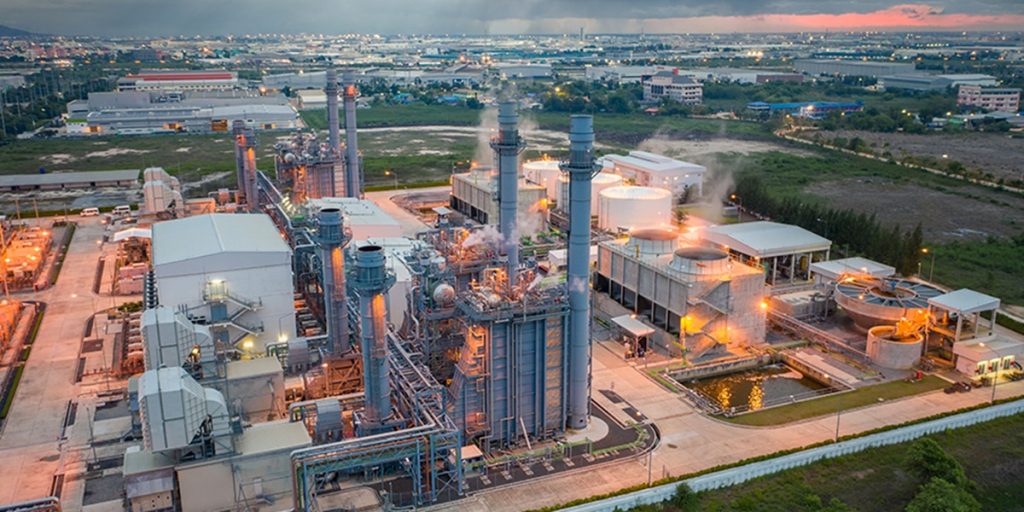
A combined cycle pairs a gas turbine running the Brayton cycle with a steam turbine running the Rankine cycle. Hot exhaust leaving the gas turbine — typically well over 1,000°F — passes through a heat recovery steam generator (HRSG), which raises steam to drive the steam turbine. That bottoming cycle is where the extra efficiency comes from. A simple-cycle gas turbine converts roughly 35–44% of fuel energy to electricity; adding the steam cycle pushes a modern combined cycle above 60%, with the latest H- and J-class machines rated above 64%. For reference, GE Vernova lists its 9HA family at over 64% combined cycle efficiency, and the 9HA-powered EDF Bouchain plant in France holds the Guinness World Record for the most efficient combined cycle plant, independently verified at 62.22% net efficiency.
Where the Efficiency Gains Hide: Optimization Strategies
There is no single silver bullet in combined cycle optimization. The real gains come from a stack of targeted improvements across the gas turbine, the HRSG, the steam cycle, and the way the plant is dispatched. The seven strategies below are the ones that most reliably move heat rate, output, and margin in the field.
1. Target Heat Rate First
Before chasing individual components, establish where the plant actually sits against its design heat rate and against comparable units. Performance testing, correction curves, and a clear baseline turn vague “it feels sluggish” complaints into a prioritized list of recoverable losses. Heat-rate deviation analysis is usually the highest-leverage first step in any optimization engagement.
2. Recover Lost Gas Turbine Performance
Airborne dust, salt, and hydrocarbons foul compressor blades over time, and compressor fouling is typically the largest source of recoverable performance loss on a gas turbine. Online washing during operation and periodic offline (crank) washing restore much of that lost output and efficiency. Tracking the degradation curve tells operators when a wash pays for itself versus waiting for the next outage.
3. Inlet Air Cooling
Gas turbine output depends on the mass flow of air through the machine, which falls as ambient temperature rises — a familiar problem on hot afternoons when demand and prices peak. Evaporative coolers, inlet fogging, and mechanical chillers cool the incoming air, restore density, and recover a meaningful share of lost capacity in warm climates. The right choice depends on local humidity, water availability, and how many hot hours the plant actually runs.
4. Optimize the HRSG and Steam Cycle
The HRSG is where exhaust heat becomes revenue. Large units use multiple pressure levels, often with reheat, to pull as much energy as possible out of the exhaust. Managing pinch points, keeping heat-transfer surfaces clean, minimizing stack temperature, and controlling attemperation and blowdown losses all raise bottoming-cycle output. Steam-path condition and valve tuning on the steam turbine matter just as much.
5. Cold-End and Condenser Optimization
Steam turbine output rises as condenser backpressure falls, so the cold end is an often-overlooked lever. Cooling-tower performance, condenser tube cleanliness, and air in-leakage all move backpressure directly. A fouled condenser or a degraded cooling tower can cost more output than operators expect.
6. Duct Firing for Peak Output
Supplementary (duct) firing burns extra fuel in the HRSG to raise steam production and peak megawatts. It will not match the base plant’s efficiency, but it is a proven way to capture the highest-priced hours when the incremental revenue clears the incremental fuel cost. Whether it makes sense is a dispatch-economics question, not just an engineering one.
7. Build In Operational Flexibility
As wind and solar grow, combined cycle plants increasingly cycle — starting, stopping, and ramping rather than running flat out. Fast-start capability, lower minimum load, and higher ramp rates add revenue in volatile markets. Flexibility is central to how plants stay profitable through the energy transition, but cycling accelerates thermal and mechanical wear, so the trade-off between flexibility and component life has to be managed deliberately.
Need Expert
Engineering Guidance?
Get independent technical advisory for your power generation project, from design review to project oversight.
Reliability and Maintenance: Protecting the Gains
Efficiency gains only count if the plant is actually running. Metrics like equivalent forced outage rate (EFOR) and availability show whether improvements are reaching the grid, and gas turbine maintenance intervals are driven by equivalent operating hours and start counts rather than the calendar. A few practices keep optimization from being undone by downtime:
- Predictive maintenance and condition monitoring to catch degradation before it becomes failure.
- Vibration monitoring on rotating equipment to flag bearing, alignment, and balance problems early.
- Disciplined outage planning and inspections so scope, parts, and labor are ready before the unit comes down.
- Rigorous root cause analysis after any trip or failure, so the same problem does not return.
In-House Team or Outside Consultant?
Most operators have capable staff, but optimization often calls for specialized testing, cross-fleet benchmarking, and experience with many machines rather than one. That is the practical difference between consulting support and an in-house team: a consultant brings pattern recognition from dozens of units and independent analysis, while the plant team brings the detailed knowledge of its own equipment. The strongest results usually come from pairing the two.
The Bottom Line
Combined cycle optimization is rarely one big fix — it is a disciplined stack of smaller gains: a tighter heat-rate baseline, cleaner compressors, smarter inlet cooling, a well-tuned HRSG and cold end, selective duct firing, and the flexibility to earn revenue in a changing market, all protected by strong reliability practices. Done well, these strategies cut fuel cost, recover capacity, and extend equipment life at the same time. If you want an outside read on where your plant’s losses are hiding, that is exactly what good engineering consulting delivers.

About the Author
Charles J. Wolfe is the Founder and Principal Engineer of Generex Consulting, with over 30 years of global experience in power generation. He is a recognized expert in generator and excitation systems, trusted by clients worldwide for solving complex engineering challenges.