Author
Charles J. Wolfe is the founder and Principal Engineer of Generex Consulting, a specialized power generation consulting firm. With over 30 years of global experience across 228 territories on five continents, he is a recognized expert in generator and excitation systems for nuclear, gas, coal, hydro, geothermal, and industrial units — from 3 MW to 1,350 MW. Charles has held senior roles with GE, Siemens-Westinghouse, Fuji Electric, and others, delivering root cause analysis, forced outage recovery, major overhauls, robotic inspections, and independent technical advisory services. A multilingual (English, Swedish, Spanish, Russian, German) engineering leader with degrees in Electrical Engineering (University of Illinois), Engineering Management (UW-Madison), and ongoing Applied Physics studies (Johns Hopkins), he combines deep technical mastery with integrity, safety focus, and practical field leadership. Clients trust Generex for honest, high-stakes expertise that keeps the world illuminated.
Introduction Predictive maintenance for generators (PdM) and advanced condition monitoring have transformed the way many utilities manage large turbine-driven synchronous generators. Instead of relying solely on time-based preventive schedules or reactive repairs after failures, these approaches use real-time and periodic data to assess actual machine condition, predict developing problems, and schedule maintenance only when needed. […]
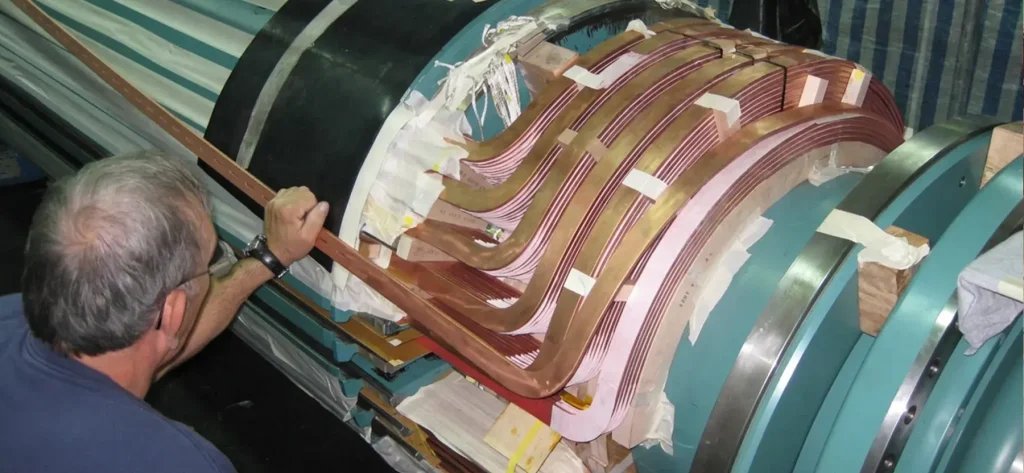
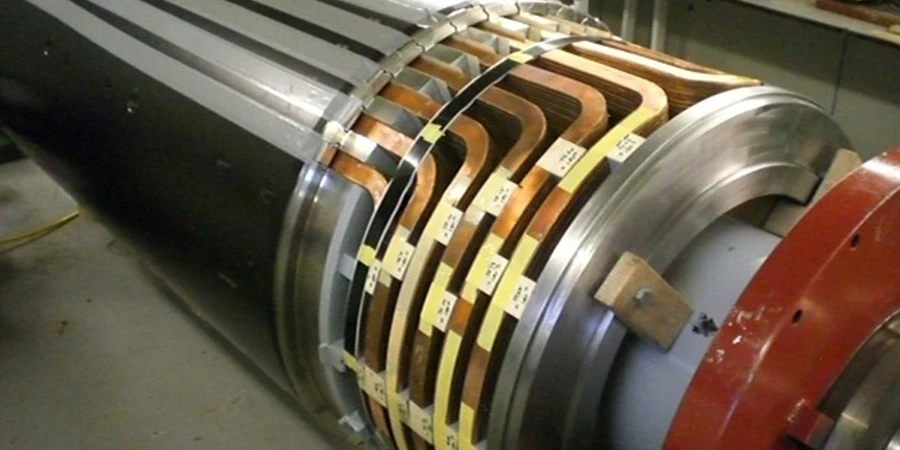
INTRODUCTION Generator rotor life assessment, inspection, and extension methods are essential for managing the long-term reliability of large utility turbine-driven synchronous generators. Rotors, often designed for 30–40 years of service, face cumulative damage from thermal cycling, centrifugal stresses, fatigue, and creep under modern operating regimes that include increased cyclic duty and load following. Accurate life […]
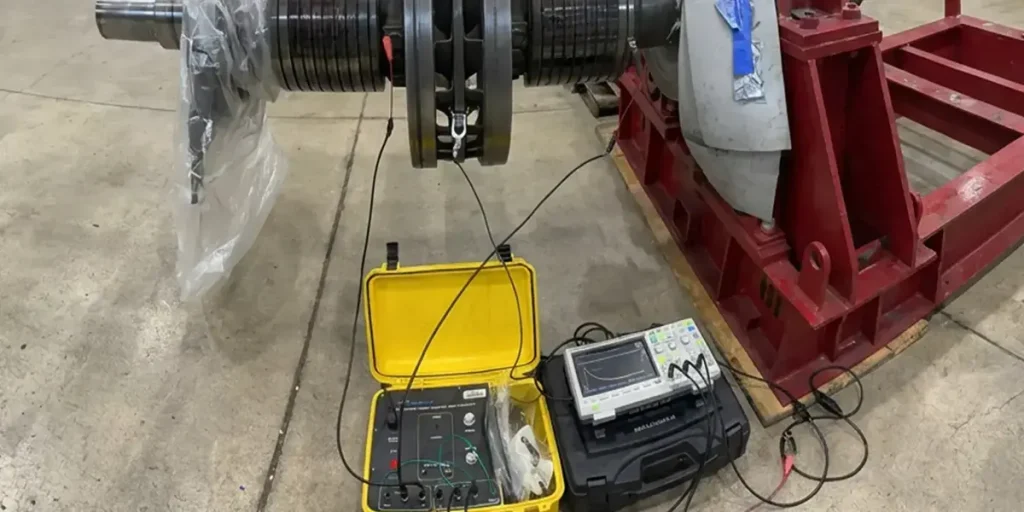
INTRODUCTION The rotor (field) winding of a large utility generator is subject to severe mechanical, thermal, and electrical stresses that can cause inter-turn insulation failures. These shorts are often intermittent, voltage-dependent, or masked by contact resistance, making them difficult to detect with conventional DC tests such as Megger, Pole Drop, or AC Impedance. The Recurrent […]
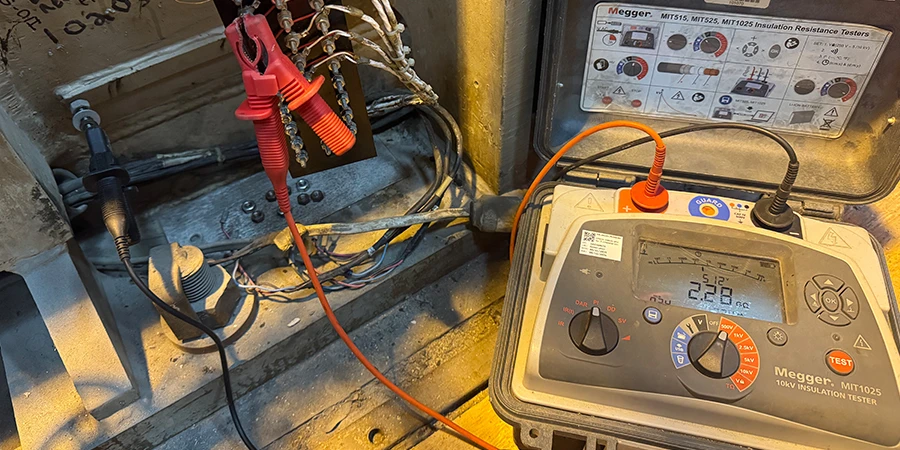
INTRODUCTION Field ground detection and rotor ground fault troubleshooting are essential aspects of maintaining the integrity of large utility turbine-driven synchronous generators. The rotor field winding operates as an ungrounded DC circuit, making a single ground fault initially tolerable but highly dangerous if a second ground develops. Early detection prevents severe rotor damage, vibration, thermal […]
Introduction A Resistance Temperature Detector (RTD) is a precise temperature sensor that works by measuring the change in electrical resistance of a metal element as temperature changes. In large generators, RTDs are embedded directly in the stator winding slots (usually between the top and bottom coils), as well as in the hot and cold cooling […]
Introduction The rotor (field) winding of a large utility generator consists of multiple poles connected in series. Inter-turn shorts can develop from insulation abrasion under centrifugal force, thermal cycling, vibration, or contamination. These shorts may not appear in DC resistance or insulation resistance (Megger) tests because the fault can be voltage-dependent or intermittent. The Pole […]