Seal Oil & Hydrogen Seal Maintenance for Generators
Introduction
Seal oil systems and hydrogen seal maintenance are critical to the safe, reliable operation of large utility hydrogen-cooled turbine-driven generators. These systems prevent hydrogen leakage along the rotating shaft while minimizing oil ingress into the generator, which could contaminate windings or degrade insulation.
Proper maintenance ensures hydrogen purity remains high, dew point stays low, and explosion risks are avoided. Failures can result in increased hydrogen consumption, oil contamination of the stator, reduced cooling effectiveness, or forced outages. For consulting firms specializing in generator testing, inspection, and repair, expertise in seal oil systems and hydrogen seals enables early detection of degradation, accurate troubleshooting, and cost-effective repairs that extend generator life and enhance safety.
Background: Why Seal Oil and Hydrogen Seal Systems Matter
Hydrogen-cooled generators, common in units rated above 150 MW, use pressurized hydrogen (typically 30–60 psig) for superior heat transfer and reduced windage losses compared to air. However, hydrogen must be contained to avoid forming explosive mixtures with air (4–75% H₂ by volume).
Seal oil systems create a dynamic barrier at the shaft ends using pressurized oil supplied at a differential pressure above hydrogen pressure. Over time, seals wear from continuous rotation, vibration, thermal cycling, and oil contamination. Common problems include increased hydrogen consumption, rising dew point, oil migration into the generator, and seal face damage.
Proactive maintenance is essential for aging fleets, especially under cyclic operation, to prevent safety incidents, insulation degradation, and unplanned downtime. Because seal wear is often accelerated by shaft dynamics, ongoing vibration monitoring and analysis is a valuable complement to a seal oil maintenance program.
How Seal Oil Systems Work: Principles of Operation
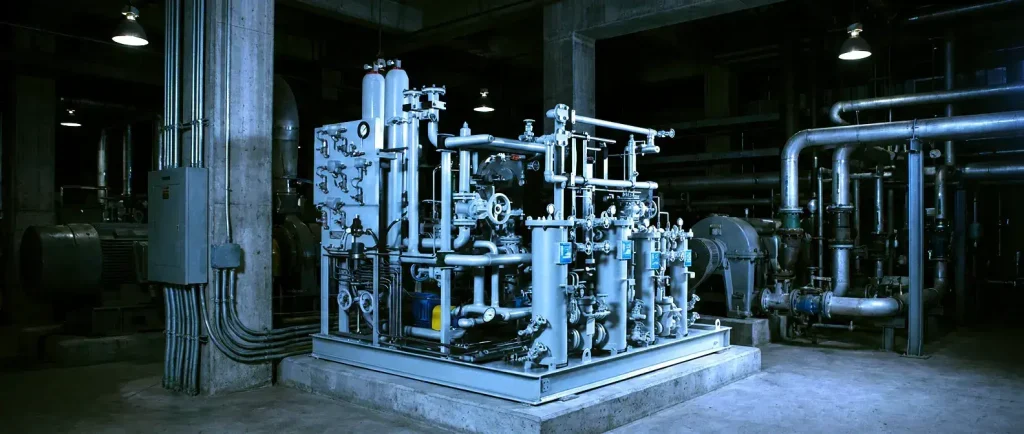
The seal oil system diverts oil from the turbine lube oil system (or uses dedicated pumps) to floating or radial hydrogen seals at both ends of the generator shaft. Seal oil pressure is maintained 5–15 psi (or more) above generator hydrogen pressure via differential pressure controls, ensuring oil always flows outward from the seal toward both the air side and the hydrogen side.
Most oil flows to the air (bearing) side and returns to the lube oil tank. A smaller portion flows inward to the hydrogen side, where it picks up entrained hydrogen. This hydrogen-laden oil drains to a detraining tank or vacuum degassing system, where hydrogen is separated and safely vented. The oil is then returned to the main tank.
Key Components
Key components include seal oil pumps (AC, DC backup, and sometimes shaft-driven), coolers, filters, differential pressure regulators, hydrogen detraining tanks, and vacuum pumps. Seals — often brass or babbitt-faced rings — float on an oil film to accommodate shaft movement while maintaining the barrier.
The system must provide continuous lubrication, cooling, and filtration while handling axial and radial shaft motion. Proper differential pressure prevents hydrogen escape or air ingress; loss of seal oil can rapidly depressurize the generator or allow explosive mixtures to form.
Maintenance Procedures for Seal Oil Systems and Hydrogen Seals
Effective maintenance combines continuous online monitoring with periodic detailed inspections.
1. Online Monitoring
Trend seal oil differential pressure (ΔP), hydrogen consumption rate, seal oil flow (air and hydrogen sides), dew point, hydrogen purity, oil temperature, and tank levels. Watch for increasing ΔP swings or rising hydrogen usage, which often signal early seal degradation.
2. Lubricant Analysis
Sample seal oil regularly for water content (target <50 ppm, ideally 10–20 ppm), particle count, viscosity, acidity, and wear metals. High moisture raises the hydrogen dew point and risks insulation damage.
3. Visual and Mechanical Inspection (During Outages)
With the rotor in place or removed, inspect seal rings, faces, anti-rotation pins, floating rings, and drain lines for wear, scoring, varnish, or damage. Check clearances and alignment carefully. Because seals and bearings share the same shaft interface, this inspection is often best planned alongside generator bearing maintenance and inspection.
4. Functional Testing
Test differential pressure controls, pumps (including auto-start of backups), valves, and vacuum systems. Verify flow rates and detraining efficiency to confirm the system responds correctly under both normal and upset conditions.
5. Cleaning and Preventive Actions
Flush or chemically clean systems to remove varnish, replace filters, and inspect and clean coolers and detraining tanks. Address contamination sources at their root rather than reacting only to symptoms.
6. Documentation and Recommended Frequency
Record trends, test results, and photographs for comparison across outages. Recommended frequency: daily or weekly parameter checks, quarterly oil analysis, and detailed inspections every 2–4 years — or sooner after anomalies such as rising hydrogen consumption.
Need Maintenance Direction
and Support?
Place a Generex Technical Field Advisor on-site to oversee work, guide technicians, and protect your interests.
Repair Scenarios
Repair scope depends on inspection findings and severity.
Minor Repairs (1–3 days)
Filter replacement, minor leakage at gaskets, or control valve adjustments. These are typically performed online or during short outages.
Moderate Repairs (1–2 weeks)
Seal ring wear, varnish buildup, or clogged drains. Work includes seal cleaning, replacement of individual seal components, system flushing, and vacuum pump overhaul.
Major Repairs (3–8+ weeks)
Severe seal face damage, worn floating rings, or systemic contamination. Scope includes full seal replacement or upgrade (for example, to improved designs with tighter clearances) and complete seal oil system refurbishment — pumps, coolers, and detraining equipment. In extreme cases involving oil ingress into the generator, stator cleaning or localized winding repairs may also be required.
Post-Repair Activities
Post-repair activities include pressure testing, flow verification, differential pressure tuning, and loaded operation monitoring of hydrogen parameters. Upgrades to modern seals or enhanced filtration often deliver meaningful long-term performance improvements.
Common Issues and Remedies
The most frequent problems seen in seal oil and hydrogen seal systems fall into six categories.
Increased Hydrogen Consumption
Caused by worn seals, improper differential pressure, or clogged hydrogen-side drains. Remedy: adjust ΔP controls, clean drains, and replace worn seal rings.
High Hydrogen Dew Point
Primarily caused by water in the seal oil (>50–250 ppm), which leads to insulation moisture absorption. Remedy: identify and eliminate water sources (for example, cooler leaks), improve oil drying, and keep seal oil moisture below 50 ppm. Rising moisture in the windings can also be tracked electrically using a Megger polarization index test.
Oil Ingress into the Generator
Caused by excessive hydrogen-side flow, seal damage, or pressure imbalances — all of which lead to contamination and greasing. Remedy: balance flows, repair seals, and optimize detraining.
Varnish or Particulate Buildup
Degraded oil reduces clearances and causes seals to stick. Remedy: oil replacement or conditioning, upgraded filtration, and varnish removal treatments.
Seal Face Wear or Damage
Caused by contamination, electrical discharge, vibration, or improper installation. Remedy: replace seals, address root causes (such as shaft grounding), and verify alignment.
Loss of Differential Pressure
Pump failure or control issues can lead to hydrogen leakage or air ingress. Remedy: test and maintain redundant pumps and controls, and implement reliable auto-start logic.
Root cause analysis should integrate parameter trends, oil analysis, and visual findings to prevent recurrence rather than simply treating symptoms.
Summary and Conclusions
Seal oil systems and hydrogen seal maintenance are vital for containing hydrogen in large utility turbine-driven generators while preventing dangerous leaks and contamination. These systems maintain a reliable oil barrier through precise differential pressure control, continuous filtration, cooling, and hydrogen detraining. However, they are susceptible to wear, contamination, moisture ingress, and varnish issues that can compromise sealing effectiveness and, in turn, generator cooling performance.
A disciplined program of online monitoring (differential pressure, hydrogen consumption, and dew point), regular oil analysis, and periodic inspections enables early detection of degradation. Timely remedies — from filter changes and flushing to seal replacement or system upgrades — restore integrity and prevent escalation to forced outages or safety incidents.
Adherence to IEEE Std 67 and EPRI best practices, supported by meticulous documentation and trending, ensures regulatory compliance and optimal performance. For utilities operating hydrogen-cooled generators, expert consulting in testing, inspection, and repair of seal oil systems and hydrogen seals delivers substantial value by enhancing safety, reducing hydrogen losses, minimizing oil contamination risks, and extending overall generator life. Implementing robust maintenance strategies is a proven approach to achieving high reliability in today’s demanding power generation environment.

About the Author
Charles J. Wolfe is the Founder and Principal Engineer of Generex Consulting, with over 30 years of global experience in power generation. He is a recognized expert in generator and excitation systems, trusted by clients worldwide for solving complex engineering challenges.